




Sale!
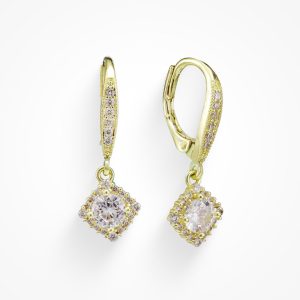
BEST SELLERS
Original price was: $22.99.$3.00Current price is: $3.00.
Sale!
BEST SELLERS
Original price was: $20.99.$3.00Current price is: $3.00.
Sale!
BEST SELLERS
Original price was: $19.99.$3.00Current price is: $3.00.
Sale!
BEST SELLERS
Original price was: $16.99.$3.00Current price is: $3.00.
Sale!
BEST SELLERS
Original price was: $22.99.$3.00Current price is: $3.00.
Sale!
BEST SELLERS
Original price was: $16.99.$3.00Current price is: $3.00.
Sale!
BEST SELLERS
Original price was: $16.99.$3.00Current price is: $3.00.
Sale!
BEST SELLERS
Original price was: $16.99.$3.00Current price is: $3.00.
Sale!
BEST SELLERS
Original price was: $19.99.$3.00Current price is: $3.00.
Sale!
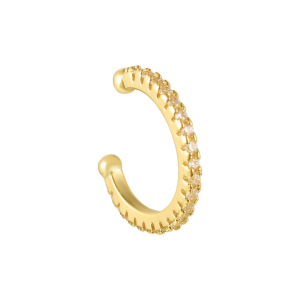
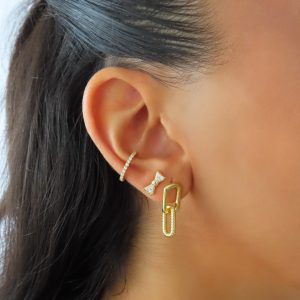
BEST SELLERS
Original price was: $16.99.$3.00Current price is: $3.00.
Sale!
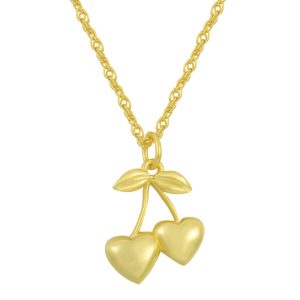
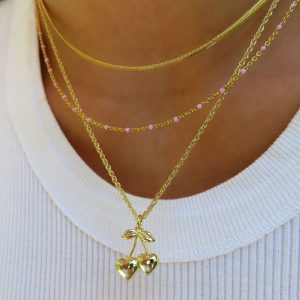
BEST SELLERS
Original price was: $19.99.$3.00Current price is: $3.00.
Sale!

BEST SELLERS
Original price was: $16.99.$3.00Current price is: $3.00.
Sale!
BEST SELLERS
Original price was: $16.99.$3.00Current price is: $3.00.
Sale!
BEST SELLERS
Original price was: $22.99.$3.00Current price is: $3.00.
Sale!

BEST SELLERS
$3.00
Sale!
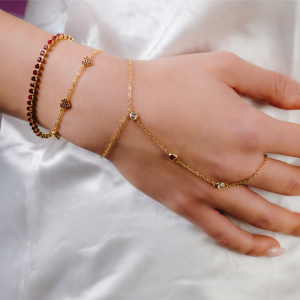
BEST SELLERS
Price range: $3.00 through $9.50
Sale!
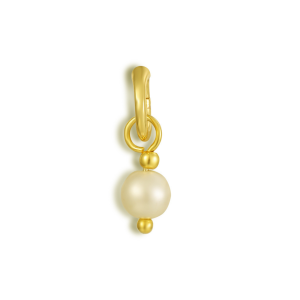
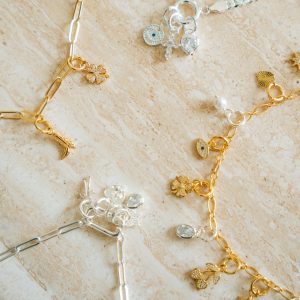
BEST SELLERS
Original price was: $16.99.$3.00Current price is: $3.00.
Sale!
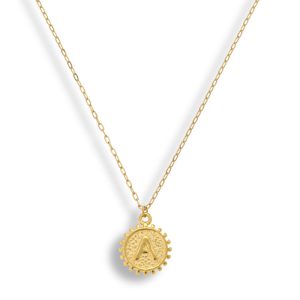
BEST SELLERS
Original price was: $24.99.$3.00Current price is: $3.00.
Sale!
BEST SELLERS
Original price was: $19.99.$3.00Current price is: $3.00.
Sale!

BEST SELLERS
Original price was: $24.99.$3.00Current price is: $3.00.
Sale!
BEST SELLERS
Original price was: $19.99.$3.00Current price is: $3.00.
Sale!
BEST SELLERS
Original price was: $19.99.$3.00Current price is: $3.00.
Sale!
BEST SELLERS
Original price was: $6.99.$3.50Current price is: $3.50.
Sale!
BEST SELLERS
Original price was: $19.99.$3.00Current price is: $3.00.
SHOP BY CATEGORY
NECKLACES
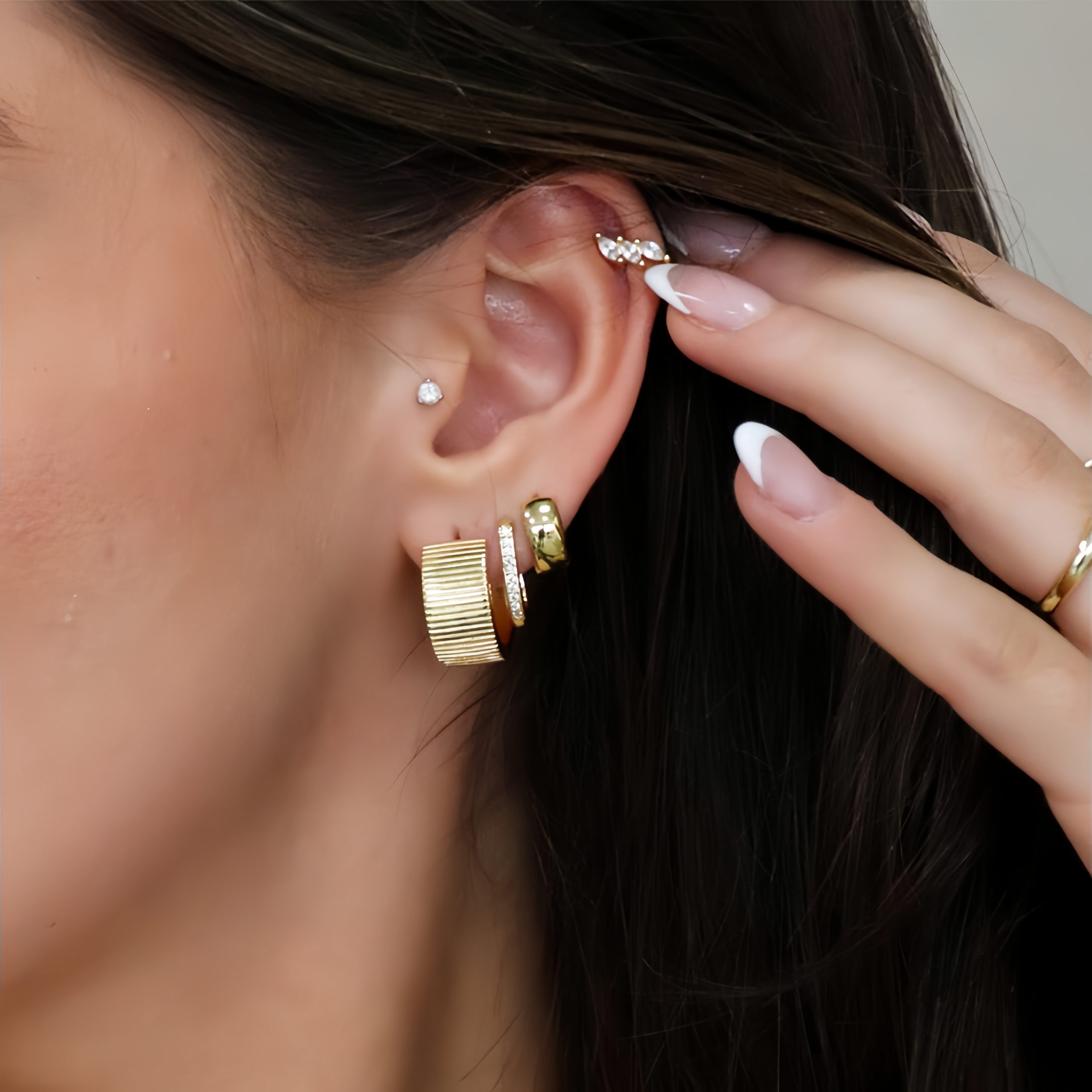
EARRINGS
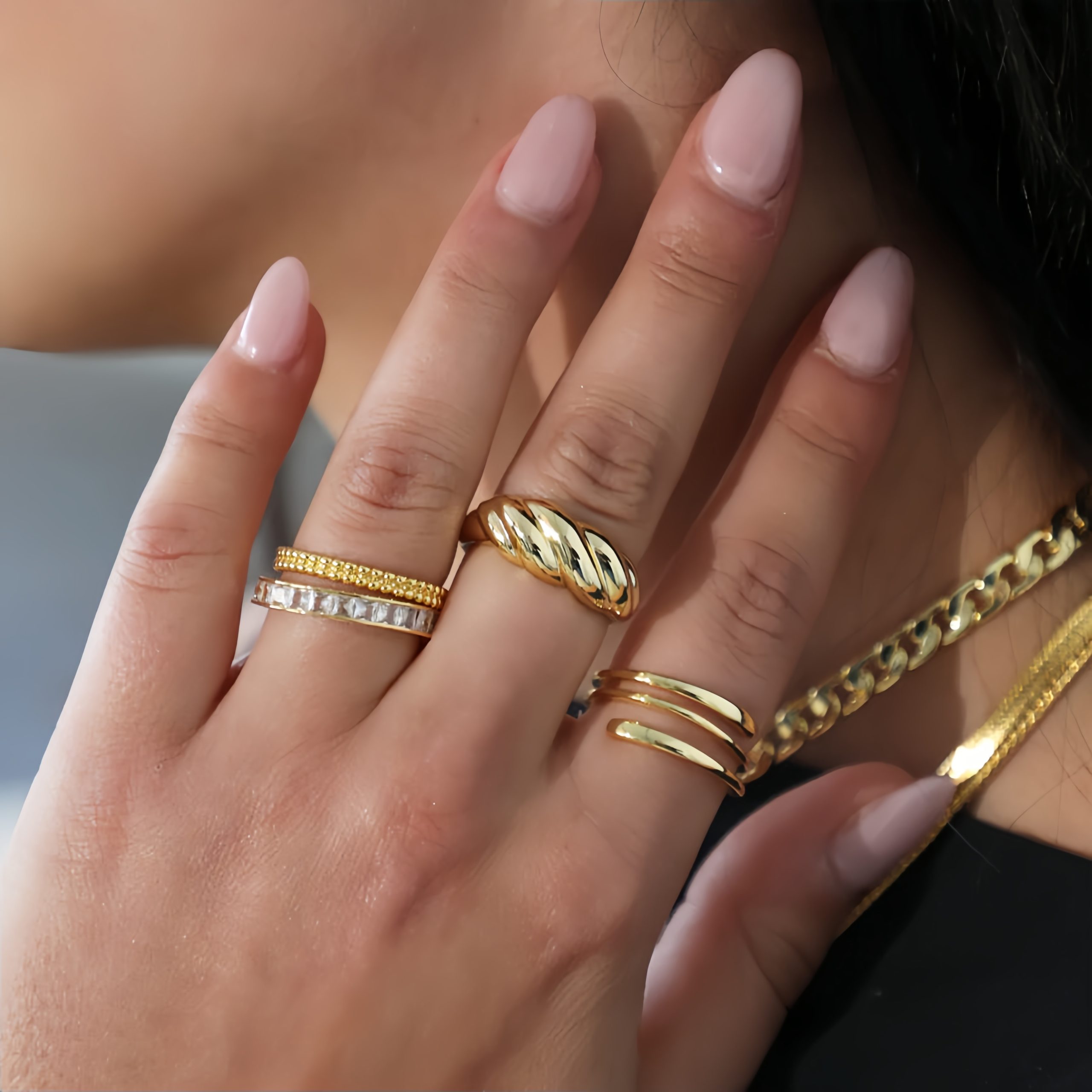
RINGS
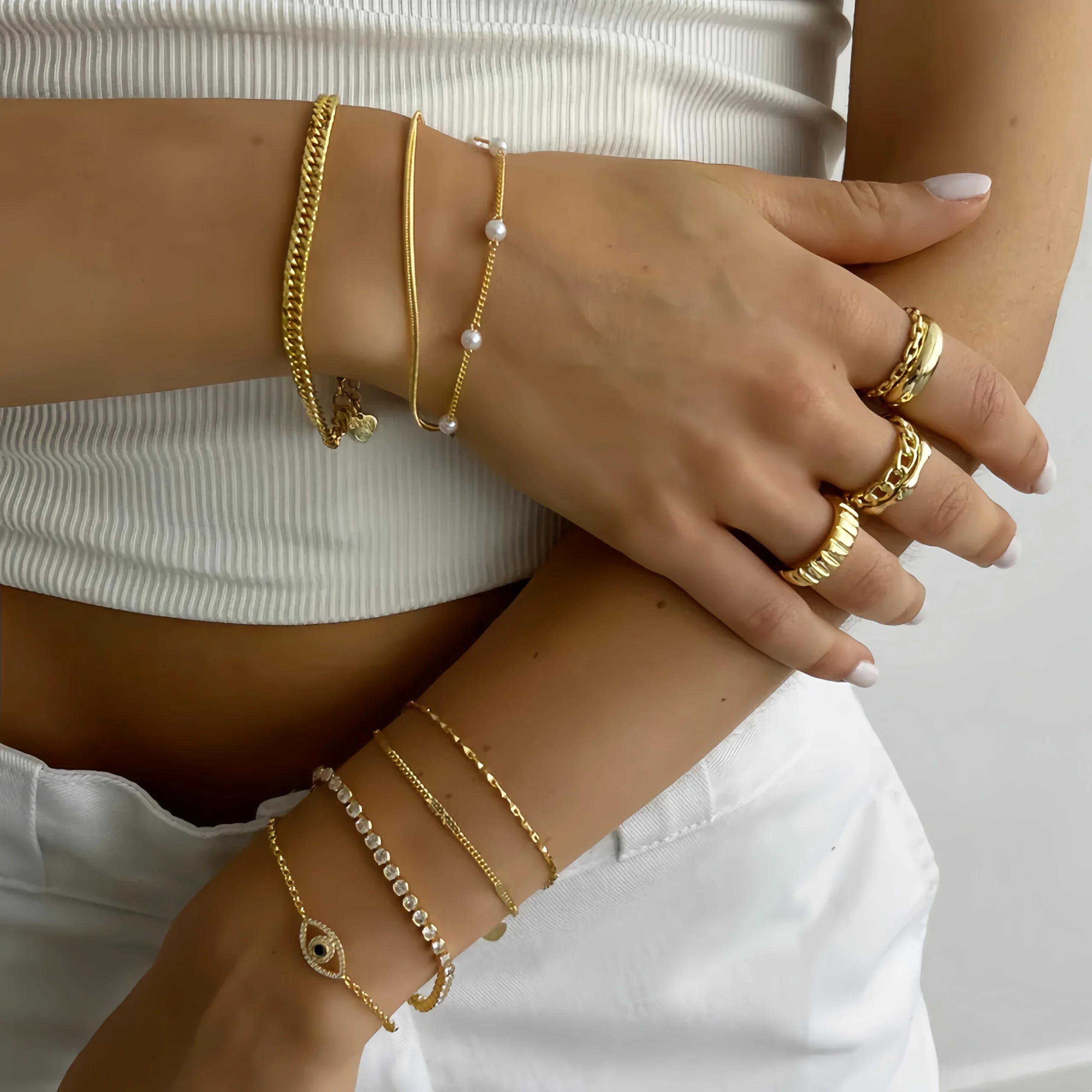
BRACELETS
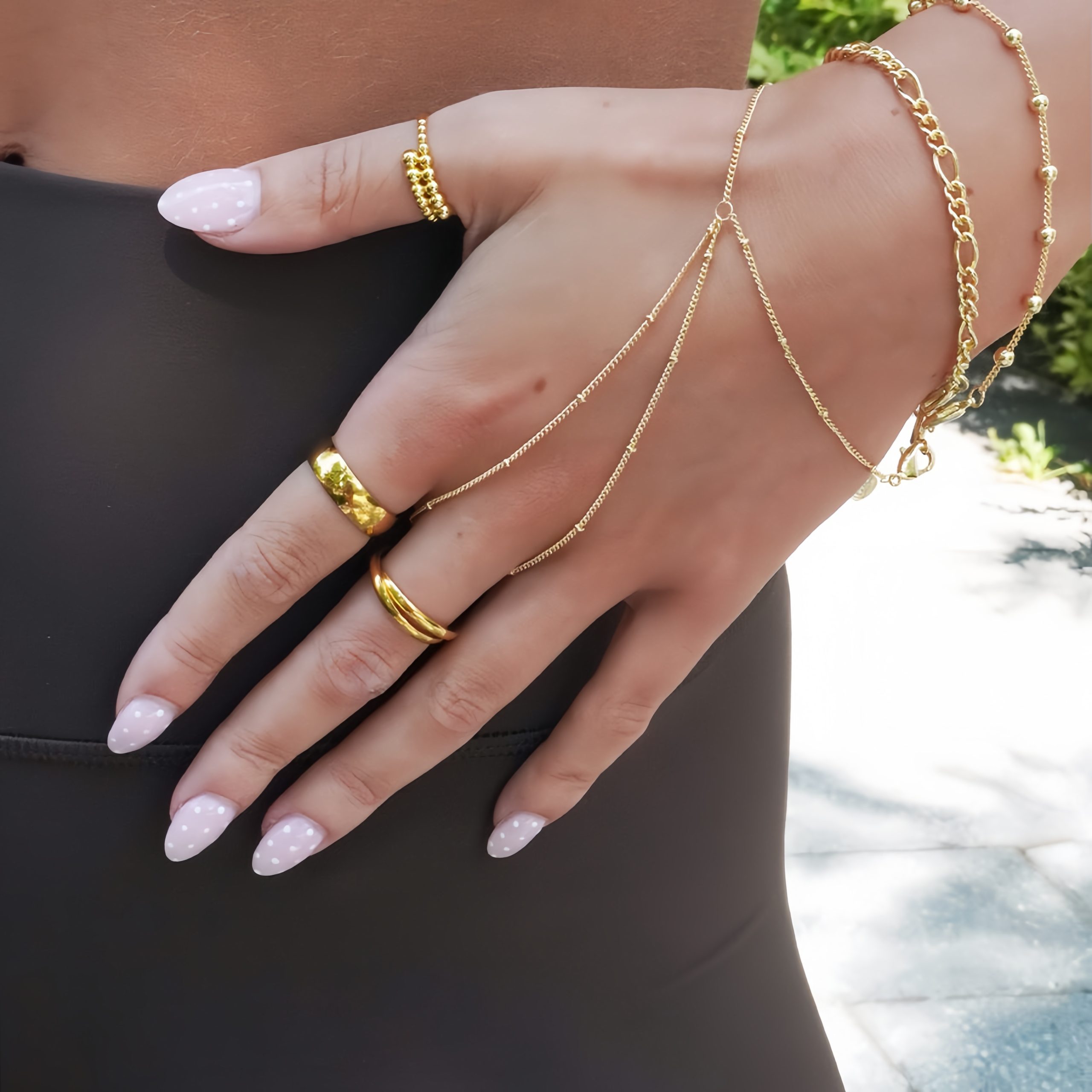
HAND CHAINS
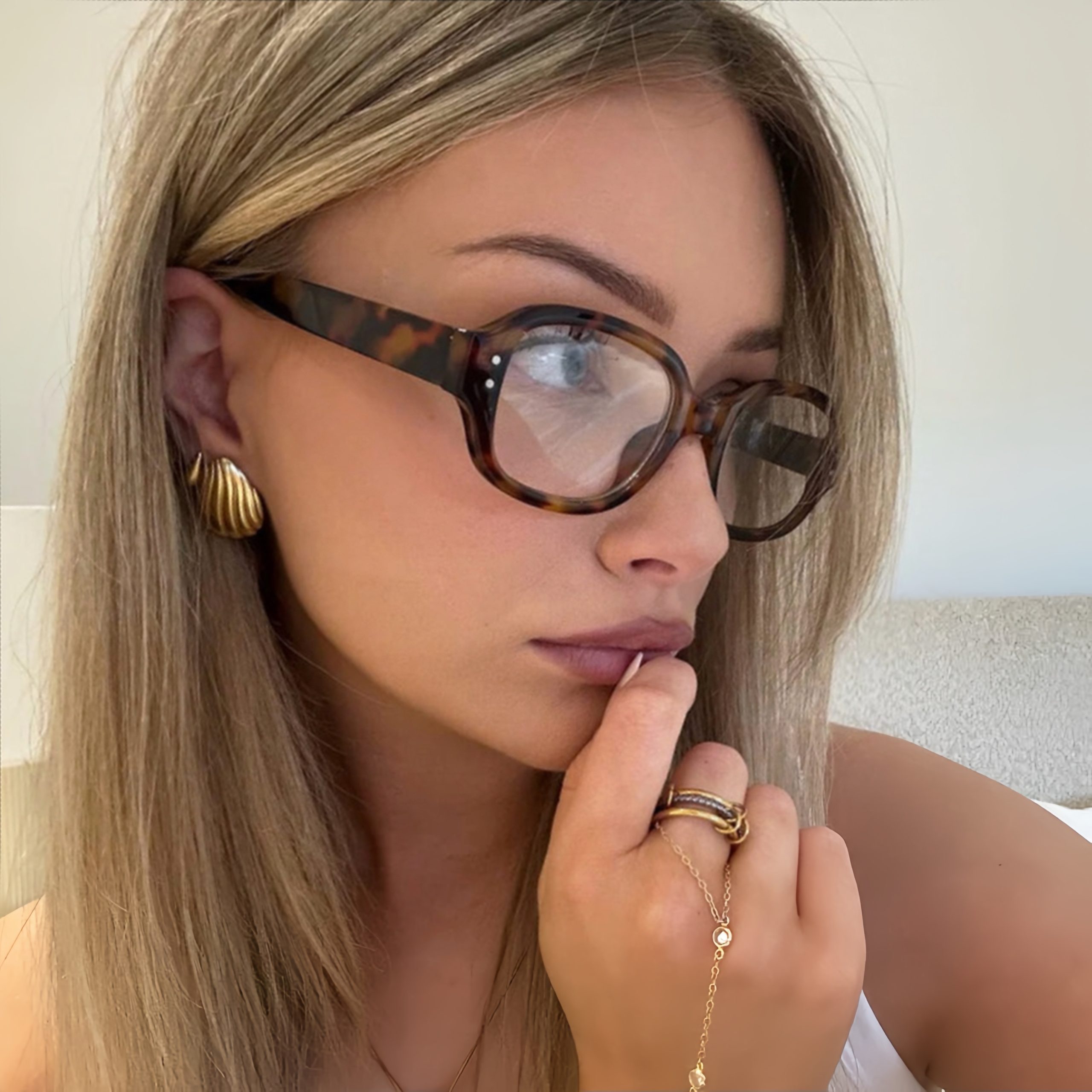
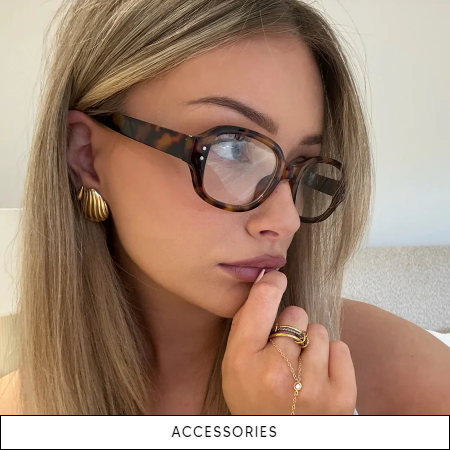
ACCESSORIES
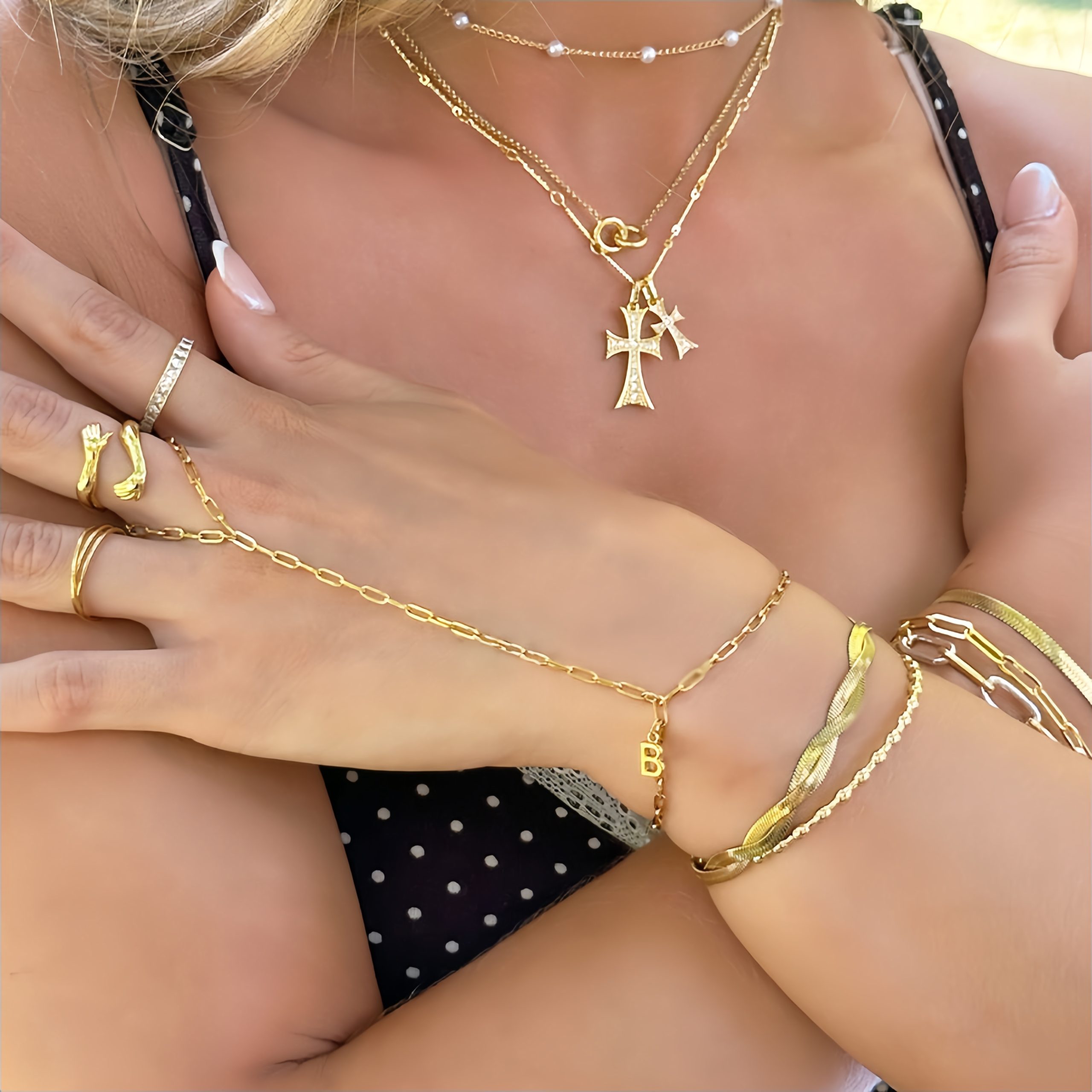
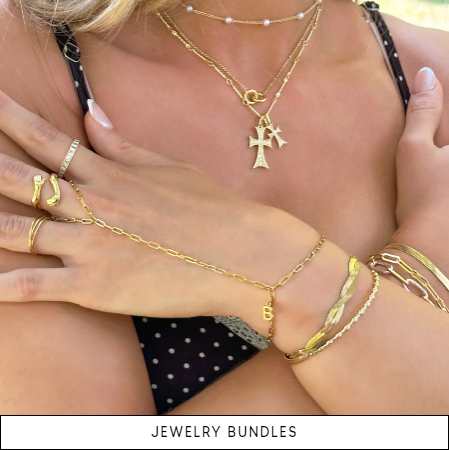
JEWELRY BUNDLES
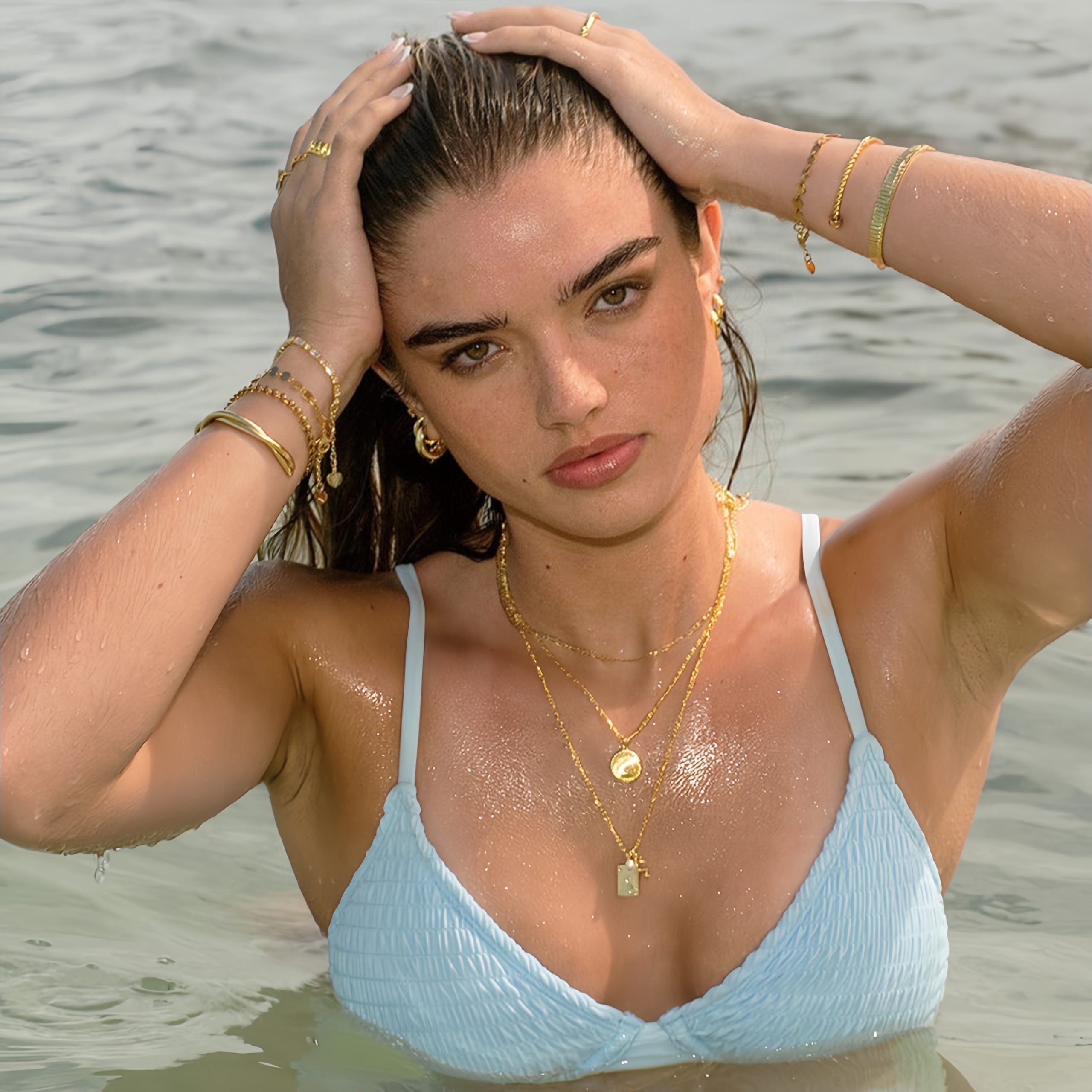
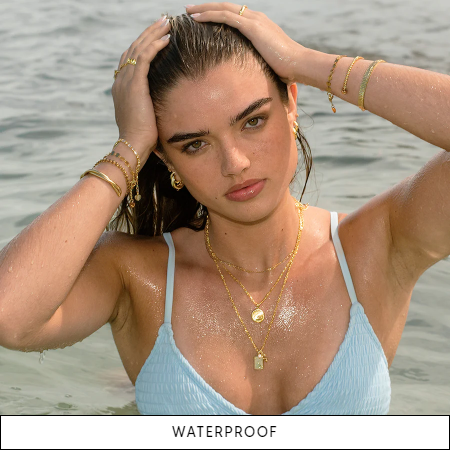
WATERPROOF
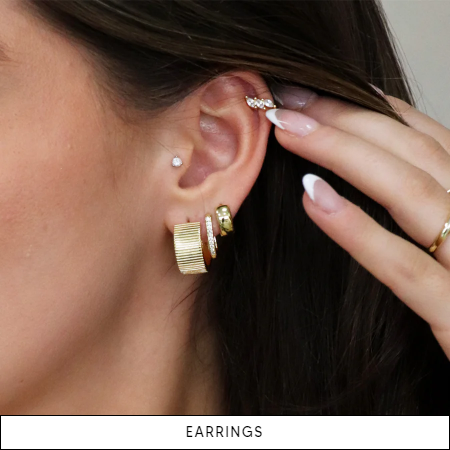
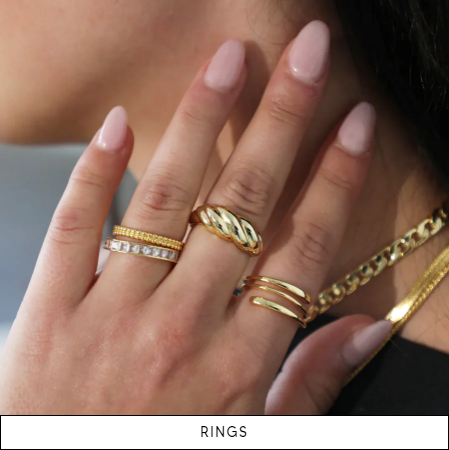
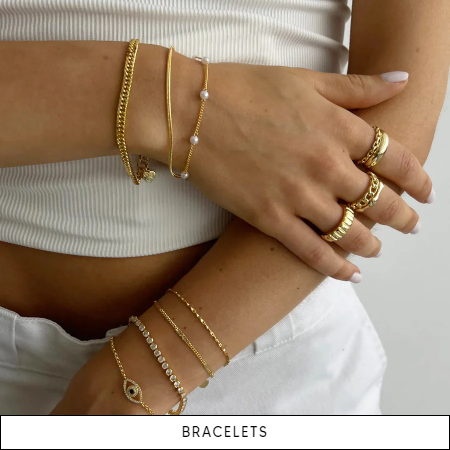
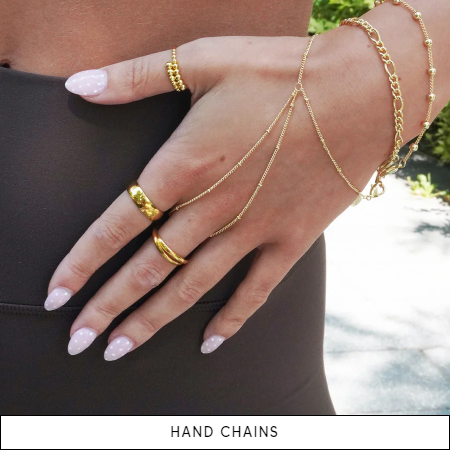
Shop The Latest Drop
Sale!
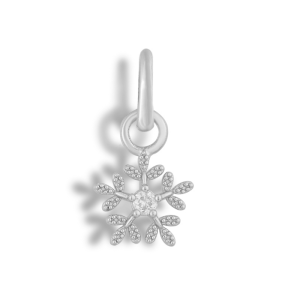
EVRY DEALS
Price range: $2.00 through $3.00
Sale!
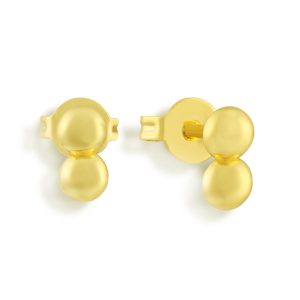
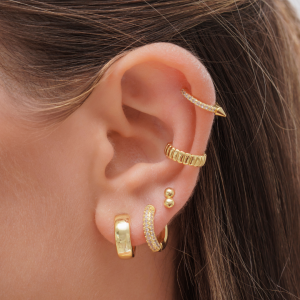
BEST SELLERS
Original price was: $16.99.$3.00Current price is: $3.00.
Sale!
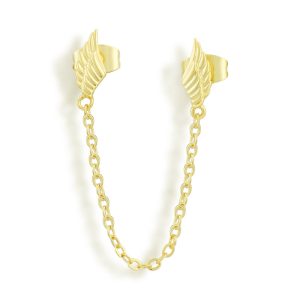
BEST SELLERS
Original price was: $16.99.$3.00Current price is: $3.00.
Sale!
BEST SELLERS
Original price was: $19.99.$3.00Current price is: $3.00.
Sale!
BEST SELLERS
Original price was: $19.99.$7.50Current price is: $7.50.
Sale!
BEST SELLERS
Original price was: $19.99.$3.00Current price is: $3.00.
Sale!
BEST SELLERS
Original price was: $19.99.$3.00Current price is: $3.00.
Sale!
BEST SELLERS
Original price was: $22.99.$3.00Current price is: $3.00.
Sale!
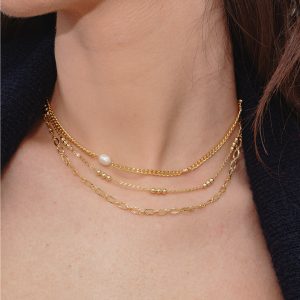
BEST SELLERS
Original price was: $19.99.$3.00Current price is: $3.00.
Sale!
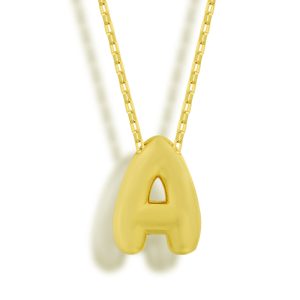
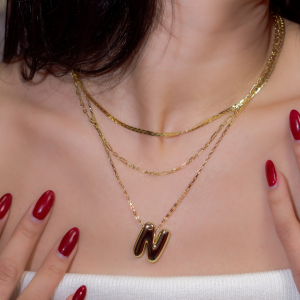
BEST SELLERS
Original price was: $19.99.$3.00Current price is: $3.00.



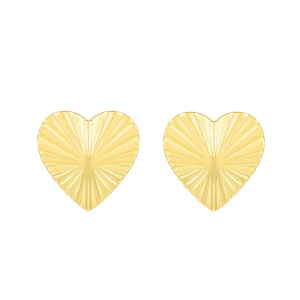
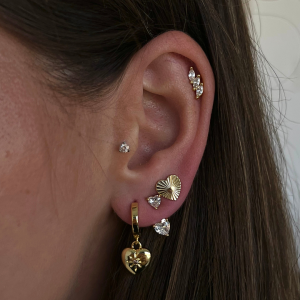

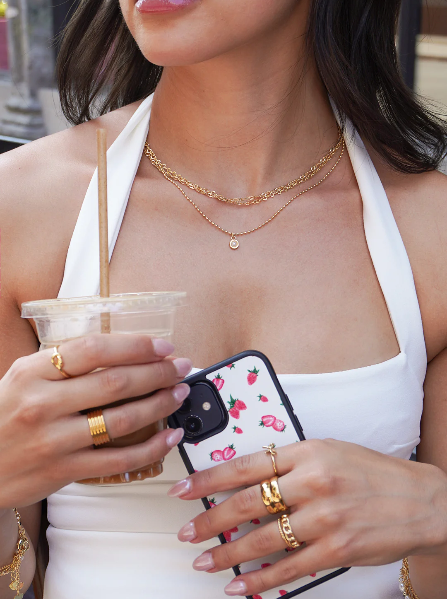
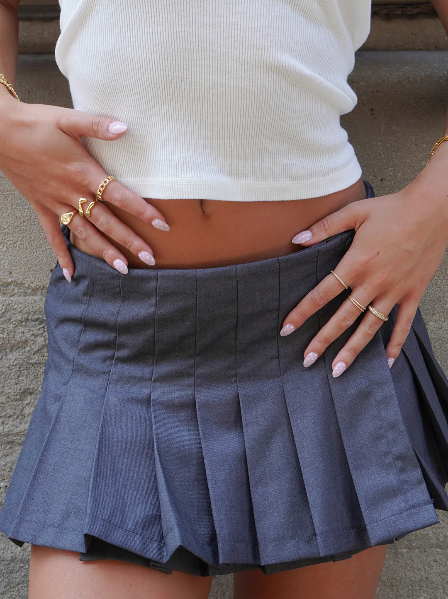
The Enduring Allure of Adornment.
Jewelry, in its myriad forms, has captivated humanity since time immemorial. It is more than mere decoration; it is a profound expression of identity, an artistic medium, and a tangible link to history and heritage. From the simplest polished stone to the most intricate metalwork, the act of adorning oneself speaks to a fundamental human desire for beauty and significance.
The earliest forms of personal adornment were often crafted from materials readily available in the natural world: shells, animal bones, wood, and stones. These initial pieces held deep, non-monetary value, frequently serving as protective talismans, symbols of tribal affiliation, or markers of social status and achievement within a community. They were imbued with spiritual or totemic power, believed to ward off misfortune or grant the wearer strength and luck. The techniques used to create them, simple as they may seem today, represented a mastery of early craft—drilling holes, polishing surfaces, and stringing components together to form wearable art.
As civilizations developed, so too did the sophistication of jewelry making. The discovery and mastery of metallurgy—first bronze, then silver, and eventually gold—revolutionized the craft. Gold, in particular, with its resistance to tarnish, its malleable nature, and its radiant, enduring luster, became the quintessential material for fine jewelry. Artisans began to employ complex techniques such as granulation, filigree, and repoussé, transforming raw metals into delicate, breathtaking artifacts. These precious pieces were not just worn; they were treasured, becoming part of dynastic wealth and forming crucial elements of ceremonial and religious dress. The ability of the material to endure meant that a piece of gold jewelry could travel through generations, carrying with it the stories and memories of its wearers.
Beyond the intrinsic value of its components, the true power of jewelry lies in its symbolic function. A ring, for instance, has long stood as a universal emblem of commitment and eternity, its unbroken circle representing endless devotion. A brooch or pin can denote membership in a specific group or commemorate a significant life event. The choice of specific gemstones also adds layers of meaning. While their specific interpretations can vary across different cultural contexts, certain associations have become widespread. A gem with a fiery red hue is often linked to passion and vitality, while a stone of deep, ocean blue frequently suggests tranquility and wisdom. The act of giving or receiving jewelry formalizes a personal bond, transforming a material object into a vessel for emotion—love, respect, remembrance, or celebration.
The evolution of jewelry design is a mirror reflecting changes in art, fashion, and societal norms. Styles have shifted dramatically over the centuries, moving through periods of opulent excess, refined minimalism, geometric abstraction, and organic fluidity. Each era leaves its distinct signature. The elaborate, dramatic designs characteristic of one historical period contrast sharply with the streamlined, functional aesthetics favored by a later one. However, the cyclical nature of fashion ensures that old techniques and motifs are continually rediscovered and reinterpreted by contemporary designers, demonstrating that while tastes may change, the fundamental principles of balance, craftsmanship, and aesthetic impact remain constant.
In the modern context, jewelry continues to perform its ancient functions while also embracing innovation. Contemporary designers utilize an expanded palette of materials, incorporating unexpected elements like industrial metals, reclaimed substances, and sophisticated new synthetics alongside traditional precious materials. Technology, such as three-dimensional modeling and advanced cutting tools, has allowed for levels of precision and complexity previously unimaginable. Yet, even with these technological advancements, the heart of the craft remains the human touch—the skill of the setter, the eye of the designer, and the patience of the polisher.
Ultimately, whether a piece is an ancient heirloom passed down through a family line or a bold, newly created statement piece, its significance is deeply personal. It is the piece we choose to wear on a momentous occasion, the gift that marks a turning point, or the subtle daily companion that completes our chosen look. Jewelry is a silent language, a portable art form, and a deeply intimate conversation between the wearer and the world, perpetually celebrating the enduring human appreciation for beauty, permanence, and self-expression.